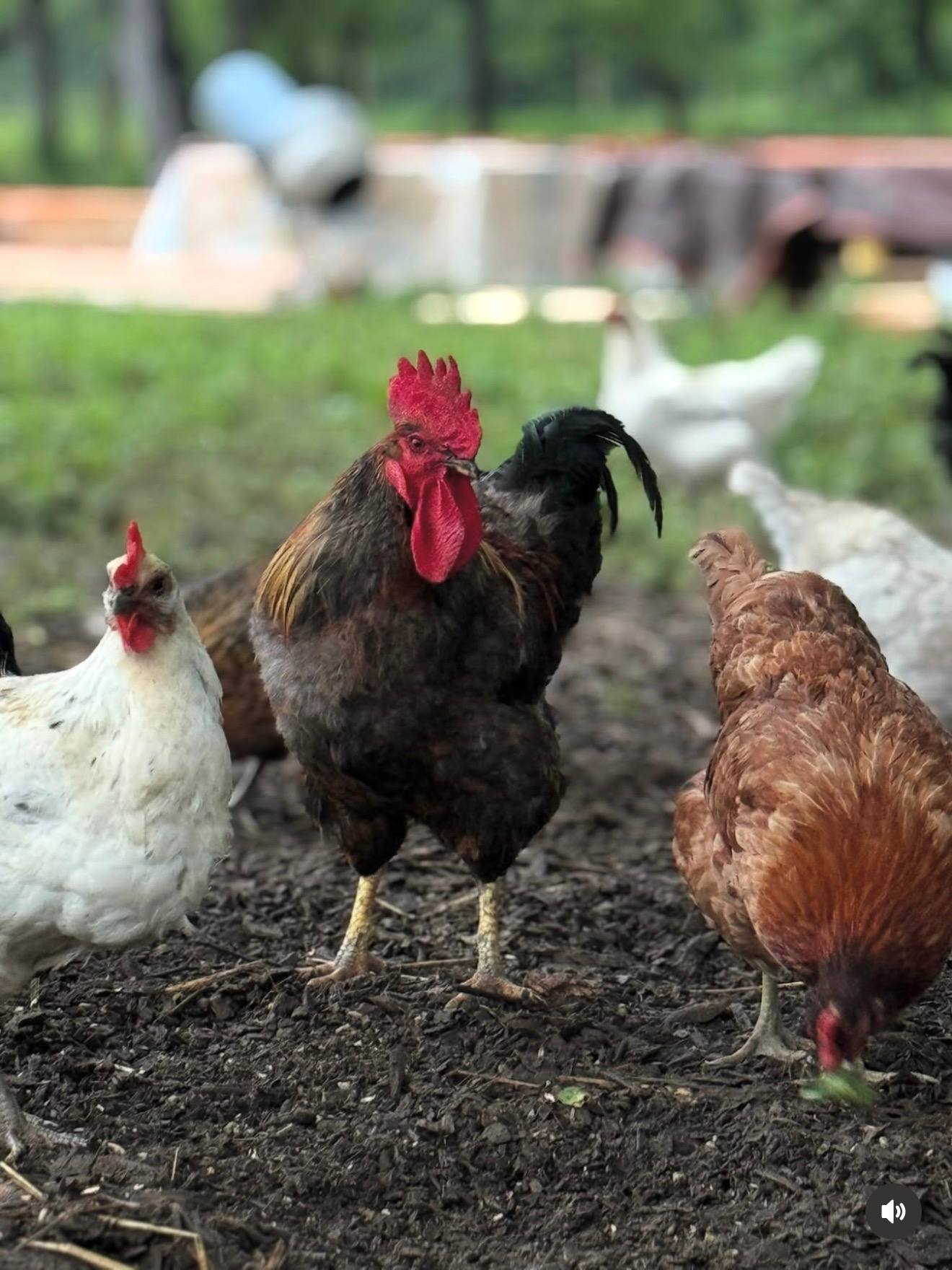
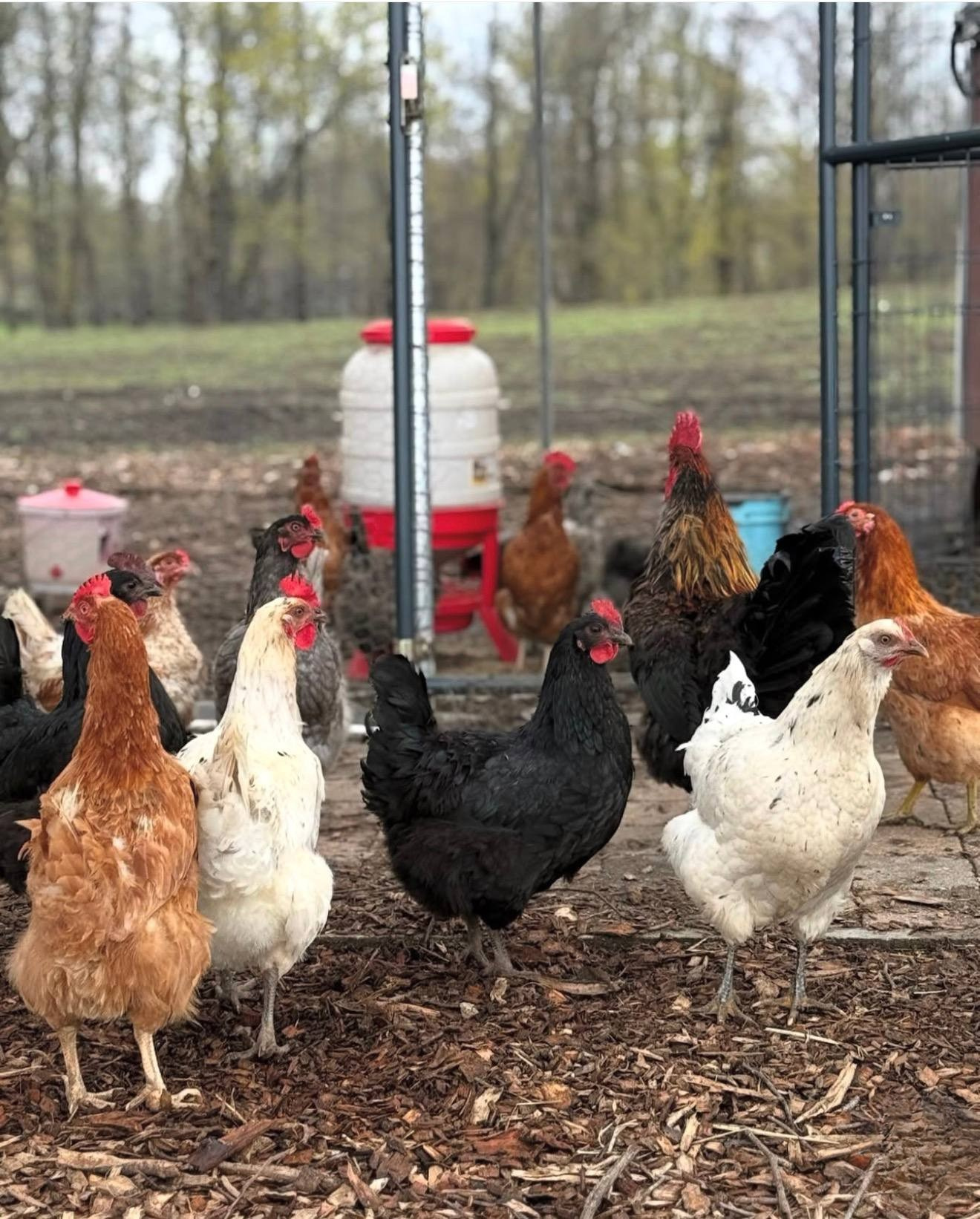
Marlboro Meadows Farm · Marlboro, NJ · Est. 2020
Eggs Raised the Way We’d Feed Our Own Family
Pasture raised · Organically fed · Corn & soy free · Non-GMO · Year-round nutritional quality
Marlboro Meadows Farm · Marlboro, NJ · Est. 2020
Pasture raised · Organically fed · Corn & soy free · Non-GMO · Year-round nutritional quality
Egg Nutrition
The nutritional difference between a factory egg and a pasture-raised, organically fed egg is significant — and measurable. Our feed program, built around certified organic flaxseed and alfalfa, is specifically designed to maximize what ends up in the egg your family eats.
The following values reflect peer-reviewed research on pasture-raised eggs from hens fed omega-3 enriching diets comparable to our program. Because we are not USDA certified, we do not make a certified label claim — but our feed practices are designed to meet or exceed these benchmarks.
Nutritional estimates based on published research on pasture-raised, omega-3 enriched eggs. Individual values may vary. Marlboro Meadows Farm is not USDA certified.
Our Feed Philosophy
Most farms — even those labeled organic — stop at compliant feed. We went further. Our hens receive a carefully designed diet that includes two premium ingredients rarely used at this scale: certified organic flaxseed and certified organic alfalfa.
Flaxseed is one of the most concentrated plant-based sources of omega-3 fatty acids available. When hens eat it consistently, those fatty acids transfer directly into the egg yolk — supporting your heart, brain, and inflammatory response every time you eat one of our eggs.
Certified organic alfalfa is expensive. Most farms don’t use it. We consider it non-negotiable — particularly in winter, when hens can’t access fresh pasture and most farms quietly let nutritional quality decline.
Alfalfa Benefits
From Chick to Layer
Nutritional quality in an egg starts long before a hen begins laying. Our hens are raised on a three-stage feeding program designed to build healthy birds that produce exceptional eggs. Below is the actual certified feed we use at each stage — tap any label to view full size.
Stage one
From day one, chicks receive an organic olive oil starter feed providing the full spectrum of nutrients needed for healthy early development and strong immune function.
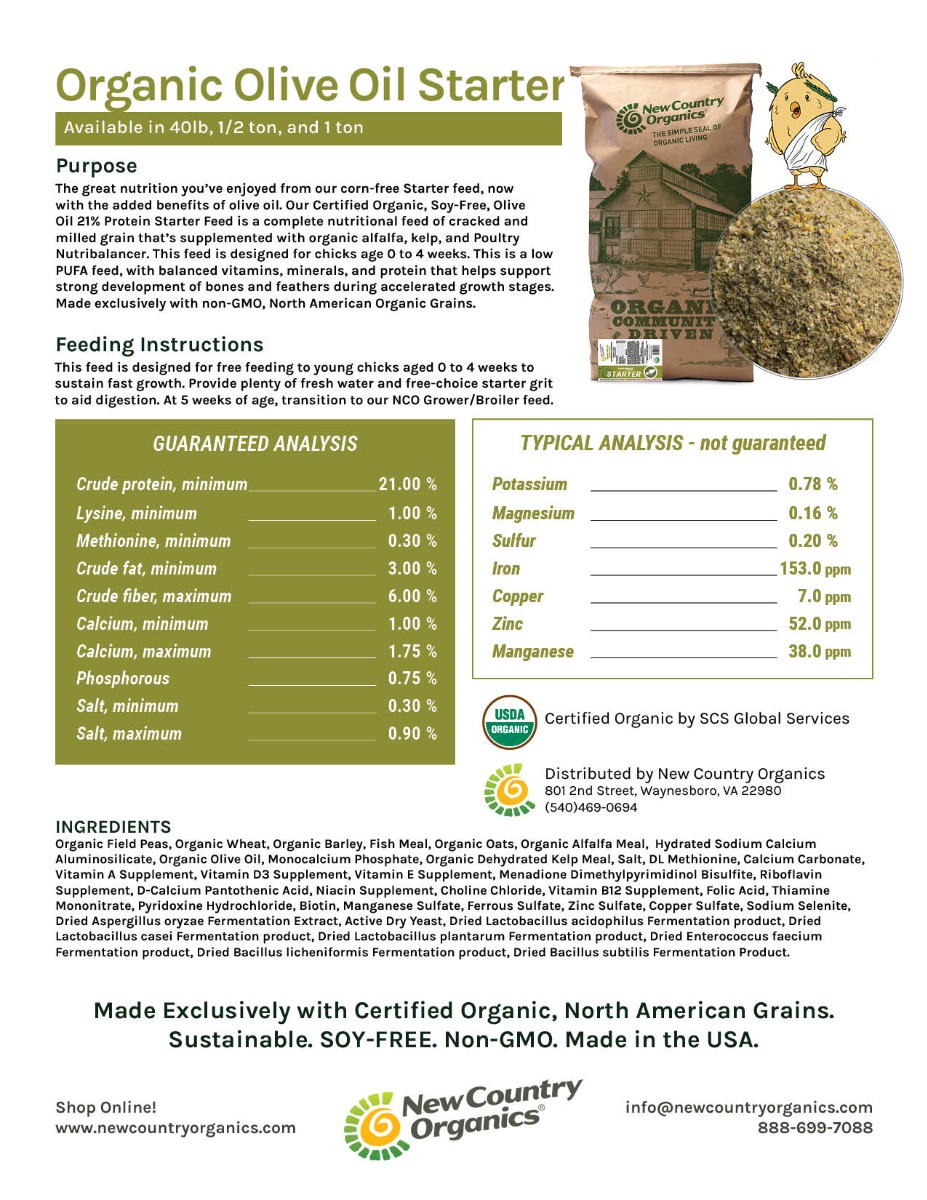
Starter feed — certified organic ingredient & nutrition label
⛶ Tap to expandStage two
As hens mature, they transition to an organic olive oil grower feed that continues supporting strong bone development and immune system health through adulthood.
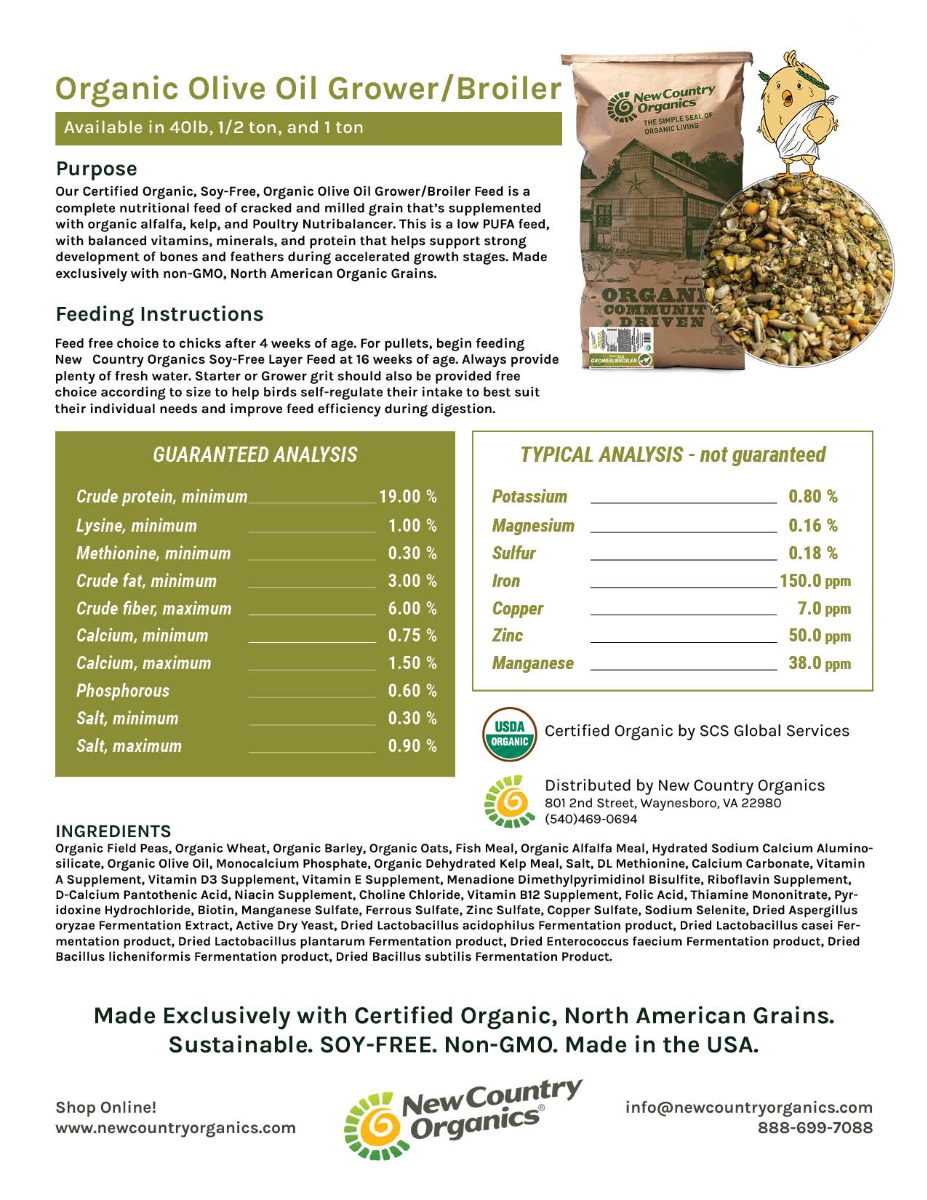
Grower feed — certified organic ingredient & nutrition label
⛶ Tap to expandStage three
Once laying begins, the diet shifts to certified organic layer feed enriched with flaxseed and alfalfa — directly maximizing the omega-3, vitamin, and antioxidant content of every egg laid.
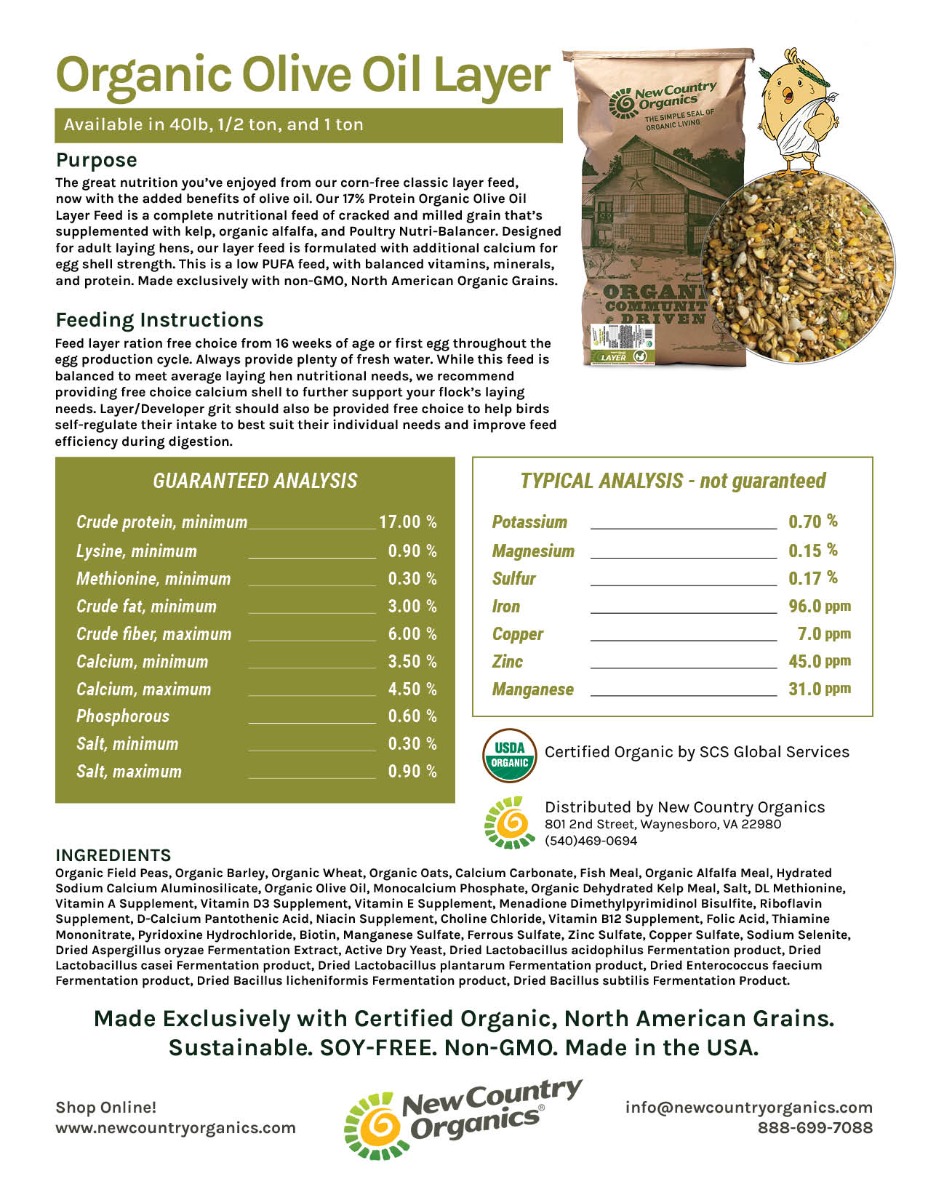
Layer feed — certified organic ingredient & nutrition label
⛶ Tap to expandWinter Nutrition Commitment
When pasture grasses disappear in the cold months, most farms accept lower nutritional quality as inevitable. We don’t. By feeding certified organic alfalfa year-round, we maintain the same nutrient-dense eggs in January that we produce in June.
This is a significant operational cost we absorb because we believe every egg — in every season — should meet the same standard.
Our Farm, Our Standard
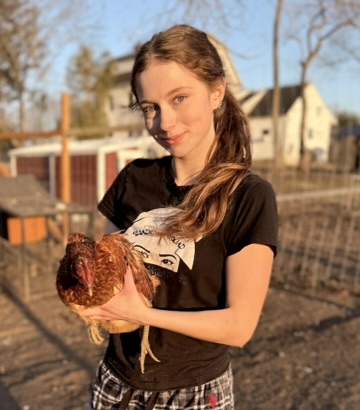
We maintain a larger flock because it allows us to share these high-quality, organically fed, nutrient-rich eggs with our local community in Marlboro, NJ.
Every dozen represents careful feeding, clean living conditions, and a commitment to producing eggs with exceptional nutrition and flavor — the same standard we hold ourselves to at our own table.
— Yan Chertok, Farm Owner · Marlboro Meadows Farm
Common Questions
These are the questions we hear most often. The answers are honest and specific — not marketing copy.
The short answer: it is effectively impossible to source truly clean corn or soy in the United States.
The U.S. is the world’s largest producer of genetically modified corn and soybeans. Over 90% of commercially grown corn and soy in the country is GMO. The problem isn’t just intentional use — it’s contamination. Cross-pollination between GMO and non-GMO crops, shared processing and transportation equipment, and commingled supply chains mean that even feed labeled “organic” or “non-GMO” regularly tests positive for GMO contamination. Multiple independent studies and testing organizations have documented this. Truly clean corn or soy at commercial scale is not reliably available.
Beyond contamination, corn and soy are both high in omega-6 fatty acids. When fed in large quantities, they push the egg’s omega-6 to omega-3 ratio in the wrong direction — which is directly linked to increased inflammatory markers in humans. Most commercial eggs have an omega-6 to omega-3 ratio of 20:1 or worse. Ideally, that ratio should be closer to 4:1. Removing corn and soy and replacing them with flaxseed and alfalfa is one of the most direct ways to correct it.
We eliminated corn and soy entirely and replaced them with certified organic flaxseed and certified organic alfalfa. It costs more. We consider it the baseline, not a premium.
We raise these chickens the same way we would if we were producing food exclusively for our own family.
— Yan Chertok, Farm Owner · Marlboro Meadows Farm · Est. 2020 · Marlboro, NJ
Ready to Order
Pickup available at 350 Pleasant Valley Rd, Marlboro, NJ. Call or text to check availability and place your order — we’ll have them ready for you.